
The Role of Luck in Gambling
Luck is undeniably a significant aspect of gambling, influencing outcomes in countless ways. In the realm of casinos, many games, ranging from slot machines to roulette, rely heavily on chance. Players often romanticize the idea of luck, believing that it can lead them to substantial wins, especially when exploring various betting sites that offer exciting opportunities. While skill and strategy are crucial in certain games, such as poker, others are purely based on luck, where winning seems arbitrary and unpredictable. This unpredictability makes the experience both thrilling and daunting for many gamblers.
For instance, when you pull the lever on a slot machine, the result is dictated entirely by a random number generator. This randomness means that no amount of strategy or skill can sway the outcome; the results are simply a matter of timing and luck. Players can experience exhilarating highs during winning streaks, showcasing how luck frequently dictates success or failure in the casino environment. The anticipation and tension surrounding these moments can enhance the overall gambling experience.
However, it is essential to note that luck is often fleeting. Many seasoned gamblers will tell you that while luck can bring initial success, combining it with knowledge and strategy is vital for long-term success. This principle is particularly evident in card games where players can utilize probability and psychological tactics to improve their chances. Ultimately, luck, while influential, is just one piece of a larger puzzle in casino gaming, and it is the interplay between luck and skill that shapes the overall experience.
The Psychology of Luck
The psychology behind luck plays a pivotal role in how players perceive their gaming experience. Many gamblers tend to believe in luck as a tangible force that can be enhanced by rituals or superstitions. These beliefs might lead players to wear «lucky» clothing or perform specific actions before placing a bet. Such rituals can significantly impact a player’s mindset and may even enhance their confidence, potentially leading to bolder betting choices. This psychological aspect underscores the complex relationship between belief and behavior in gambling.
This belief in luck can alter the way players engage with games. For instance, a gambler who feels lucky may be more inclined to wager larger amounts, banking on the notion that their perceived fortune will translate into wins. This behavior can result in increased spending and a greater risk of losses when luck does not pan out. The emotional highs and lows experienced during gambling, fueled by these beliefs, often overshadow rational decision-making, leading to choices that may not be strategically sound.

Moreover, the concept of luck can significantly affect player retention in casinos. Establishments often capitalize on this belief by creating vibrant environments filled with bright lights and enticing sounds, evoking feelings of good fortune. This carefully crafted ambiance amplifies the emotional experience of gambling, making players more likely to return, driven by the hope that luck will be on their side during their next visit. Such an environment can create a cycle of expectation, where the allure of luck keeps players engaged and invested.
The Impact of Skill and Strategy
While luck plays a pivotal role in many casino games, the importance of skill and strategy cannot be overlooked. In games like poker, player skill can heavily influence the outcome. Knowledge of game mechanics, calculating odds, and reading opponents are all strategies that can outweigh sheer luck. Skilled players can maximize their chances of winning, even when luck seems to be against them. This dynamic illustrates how skill can provide a buffer against the uncertainty of luck.
Furthermore, in table games like blackjack, employing strategies such as card counting can offer a significant advantage. Although luck still plays a role in the cards dealt, a strategic approach allows players to make more informed decisions based on probabilities. This blend of skill and luck highlights the complexity of gambling, offering insight into how players can improve their chances of success. It serves as a reminder that while luck can be a decisive factor, skill can enhance the overall gaming experience.
Ultimately, the most successful gambling strategies are those that effectively balance luck and skill. Understanding when to take risks based on luck and when to play conservatively based on skill can lead to a more rewarding experience. This duality illustrates that while luck may dictate immediate outcomes, long-term success is often rooted in a player’s ability to adapt and strategize over time. By recognizing this balance, players can approach gambling with a more comprehensive and informed mindset.
The Illusion of Control
One common phenomenon in gambling is the illusion of control, where players believe they have some influence over random outcomes. This belief can manifest in various ways, such as feeling that certain actions can sway luck in their favor. For example, players might think their choices, such as the timing of a spin or the amount they wager, can affect the result, despite the underlying randomness of the game mechanics. This illusion of control can lead to significant consequences for how players engage with their gambling experiences.
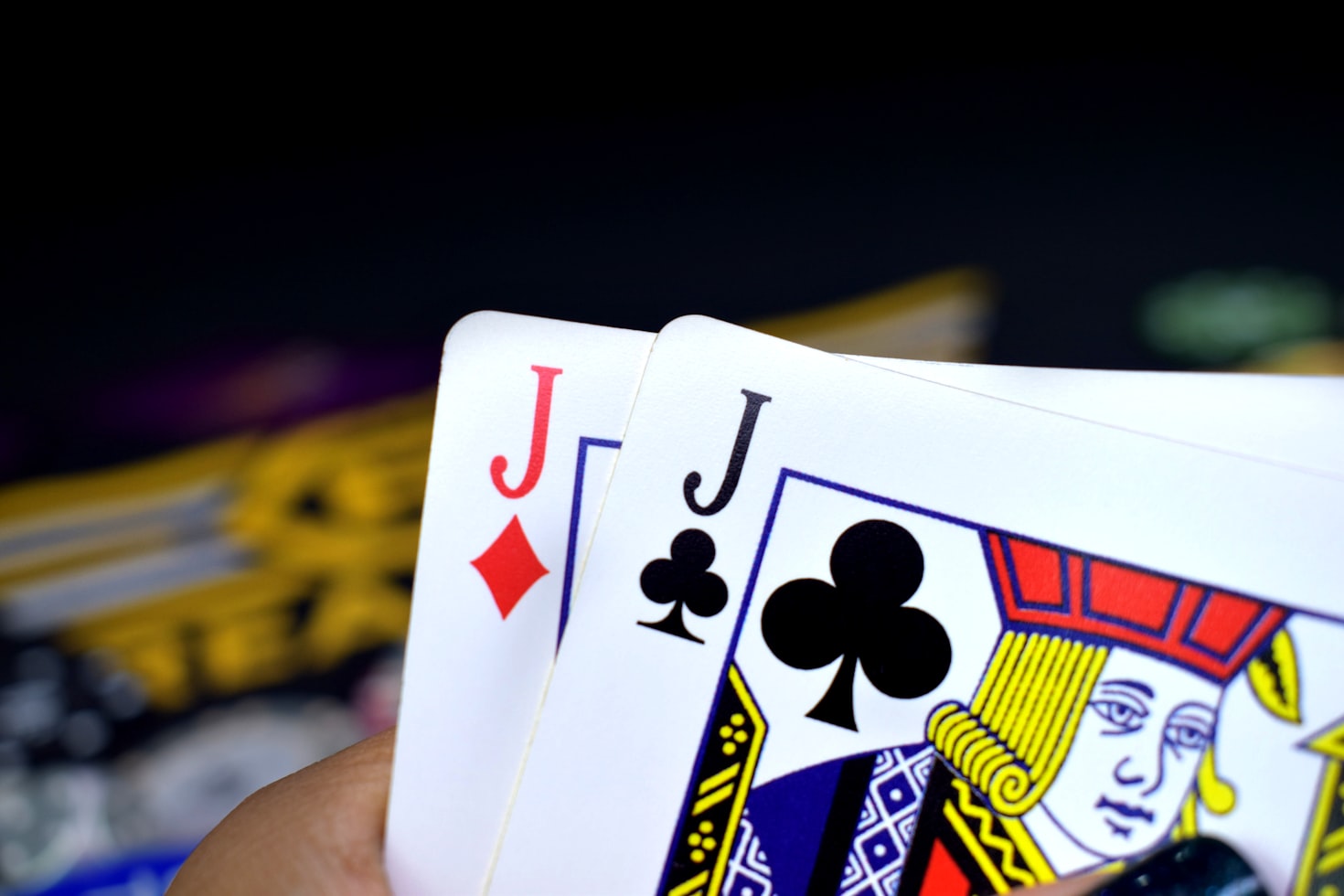
This misconception can lead players to make irrational decisions, such as continuing to gamble beyond their means. They may become convinced that they are «due» for a win after a streak of losses, leading to a cycle of chasing losses. Such a mindset can be detrimental, as it often creates an unhealthy relationship with gambling and can lead to substantial financial losses. Recognizing the illusion of control is crucial for players seeking to make more rational choices in their gambling habits.
Casinos are well aware of this psychological quirk and often design games to exploit it. By creating an engaging environment where players feel empowered to influence outcomes, they foster a sense of control that may not exist. This can create a feedback loop, where the belief in control encourages longer play sessions, resulting in greater losses. By acknowledging this illusion, players can work towards making more informed decisions and managing their gambling habits more effectively, ultimately leading to a healthier gaming experience.
The Path Forward: Balancing Luck and Skills at Casinos
As players navigate the vibrant and often unpredictable world of casinos, understanding the balance between luck and skill is crucial. Acknowledging the role of luck can help players avoid common pitfalls, such as overconfidence and rash betting decisions. Balancing enjoyment with a realistic perspective on luck can enhance the overall gambling experience and lead to more thoughtful engagement with games. This awareness can transform how players approach their gaming sessions, fostering a more responsible attitude.
To successfully navigate this balance, players should focus on improving their skills across various games. By investing time in understanding game strategies and odds, they can create scenarios where their skills can shine, even alongside luck. This proactive approach not only enhances their gaming experience but also provides a sense of empowerment and control over their gambling activities. As players become more knowledgeable, they can make choices that reflect both their understanding of luck and their strategic capabilities.
Moreover, setting limits and adhering to a budget can help players enjoy the thrill of casinos while minimizing the financial risks associated with luck-based games. By recognizing that while luck can be a driving factor, long-term success often results from informed decision-making and strategic planning, players can cultivate a more fulfilling casino experience. Emphasizing responsible gambling practices allows players to appreciate the excitement of chance without falling prey to the potentially harmful effects of unchecked luck.
