
Exploring the role of luck versus skill in gambling success
The Nature of Gambling
Gambling has fascinated people for centuries, acting as a mirror reflecting human nature—its hopes, dreams, and follies. From ornate casinos echoing laughter and thrills to quiet backrooms where serious wagers are made, the landscape of gambling is diverse. Players flock to these venues seeking fortune, thrill, and escapism. Amid this swirling mix of emotions lies a complex interplay between skill and luck, pivotal elements that often dictate a player’s success or failure.
Whether dropping chips at a poker table or spinning the roulette wheel, the tension of hoping for a winning hand is palpable. Luck often seems to reign supreme, but what about skills honed through years of experience? A common debate arises: Is it fate guiding our hands, or is it our calculated strategies that set the stage for victory? For a deep dive into these concepts, visit the official website for more insights.
The Luck Factor
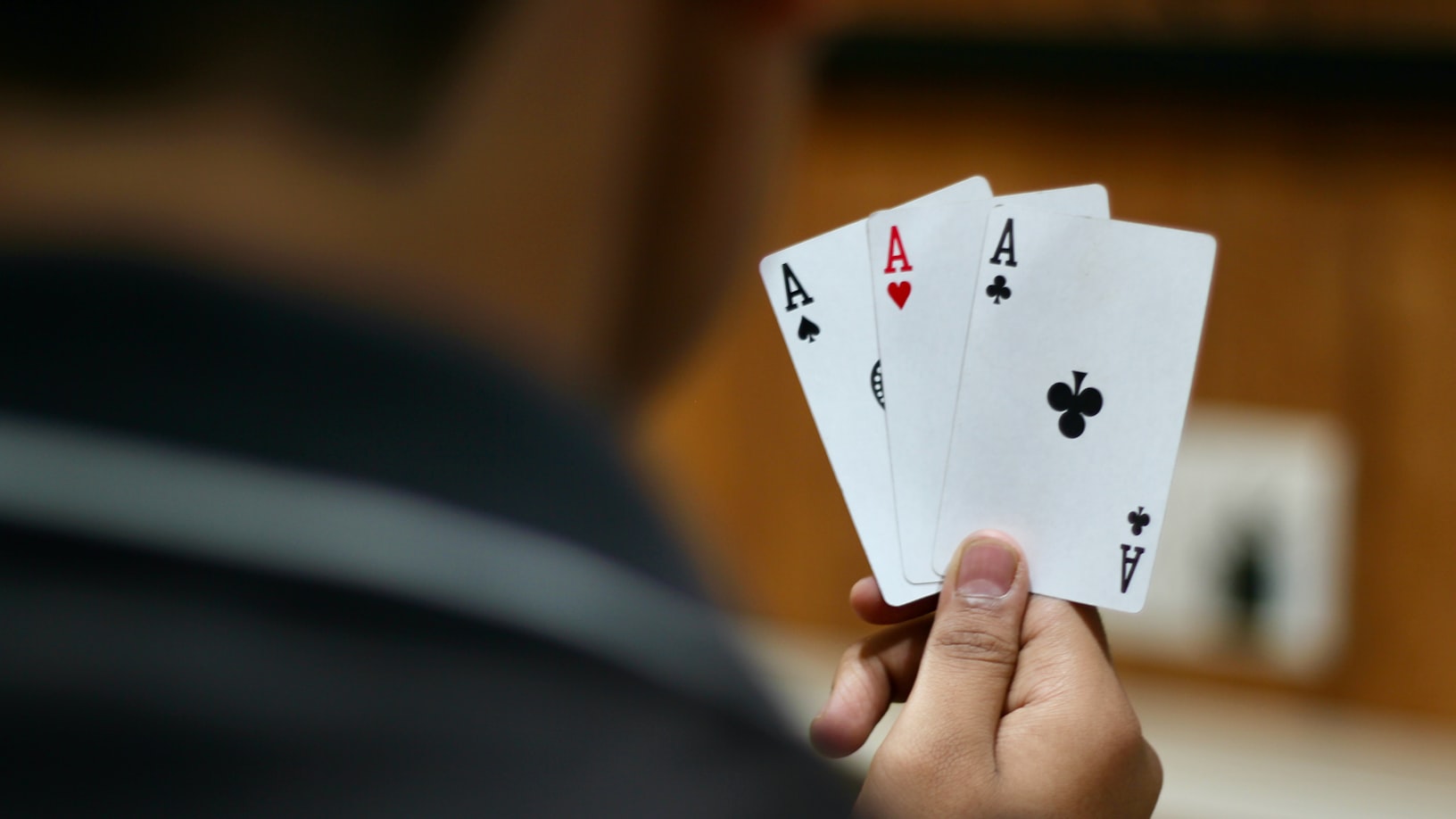
At the heart of gambling lies an undeniable element of luck. Players often attribute their victories to fortunate circumstances beyond their control. The flip of a card, the roll of dice, or the spinning of a wheel can lead to unexpected outcomes, leaving players marveling at serendipity. This luck serves as an intoxicating force, drawing people into a world where anything is possible and fortunes can change in an instant.
The Skill Component
Contrarily, skill represents an entirely different avenue towards success in gambling. Strategic gameplay and a deep understanding of the odds can dramatically influence outcomes. Many casino games, such as poker and blackjack, allow players to employ tactics and techniques that can tip the scales in their favor. Experienced players can read their opponents, calculate probabilities, and make educated guesses that reflect years of study and practice.

In skill-based games, the impact of expertise often becomes apparent. While luck may dictate the outcome of a single hand of poker, skill becomes crucial over multiple rounds. Players who maximize their knowledge and learn the nuances can continue to succeed, even when luck may not be on their side. This duality often leads to the most heated debates among enthusiasts, spurring them to explore how much of their success is attributable to skill versus fate.
The Balance Between Luck and Skill
Navigating the realm of gambling often requires a delicate balance between luck and skill. For instance, slot machines rely almost entirely on luck, while card games demand a blend of strategy and chance. This coexistence suggests that both elements are critical for gambling success, complicating the simple notion that victories come solely from one source.
Understanding the Journey
Reflecting on the journey of gambling reveals insights into one’s character and decision-making abilities. The thrill of the game transcends mere chance or skill; it becomes an exploration of oneself—the choices made, the lessons learned, and the resilience developed over time. Understanding the role each element plays makes it easier for players to find enjoyment in the process rather than fixating solely on outcomes.
