
The allure of gambling environments
The atmosphere of a casino plays a pivotal role in attracting individuals to gamble. Bright lights, engaging sounds, and enticing visuals create a sensory overload that sometimes leads to impulsive decision-making. This environment is meticulously designed to evoke excitement and anticipation, often leading players to disregard rational assessments of their chances of winning. Many people find themselves drawn into this euphoric state, characterized by the thrill of potential rewards, such as the excitement of playing at a neosurf casino , and the excitement of risk. This carefully crafted ambiance serves as a powerful draw, making it difficult for individuals to resist the allure of the gaming floor.
The psychology behind the allure of casinos also involves the concept of escape. Many gamblers view the casino as a refuge from everyday stressors, allowing them to immerse themselves in a world of excitement and fantasy. This escape can be particularly appealing for individuals facing personal challenges or societal pressures, enhancing the allure of gambling into a multifaceted phenomenon that involves emotional, psychological, and social elements. Consequently, casinos position themselves as the ultimate getaway, enhancing their appeal to potential patrons by offering an environment that temporarily alleviates life’s burdens.
Additionally, the concept of near-misses is integral to the psychology of gambling. Gamblers often experience moments where they almost win, which can be more stimulating than actual wins. This psychological phenomenon can reinforce the behavior of gambling, as players may become convinced that winnings are just around the corner. For example, a player who narrowly misses hitting a jackpot may feel a surge of adrenaline and excitement, believing that their next attempt could result in a significant win. As a result, the cycle of gambling may become self-perpetuating, with individuals returning to casinos in hopes of recreating that tantalizing feeling of nearly winning, further deepening their engagement with the gambling environment.
The role of cognitive biases
Cognitive biases significantly influence decision-making in gambling contexts, often leading players to misconstrue probabilities and make irrational choices. One common bias is the illusion of control, where players believe they can influence the outcome of a game based on their actions, despite the fundamentally random nature of most casino games. For instance, a gambler might think that they can improve their odds in a game of chance by employing specific strategies, even when statistically, the odds remain unchanged. This mistaken belief can lead individuals to engage more frequently in gambling, convinced that their decisions will yield favorable outcomes.
Confirmation bias also plays a critical role in gambling behavior. Gamblers tend to focus on outcomes that reinforce their beliefs, disregarding the losses they incur. For instance, an individual who has experienced several wins might only remember those victories, overlooking the numerous losses that accompanied them. This selective memory can lead to a distorted perception of successful gambling, further entrenching the idea that fortune can be controlled through skill or strategy. As a result, gamblers may continue to invest time and money, believing they are on a winning streak, when in reality, they are merely victims of their cognitive biases.
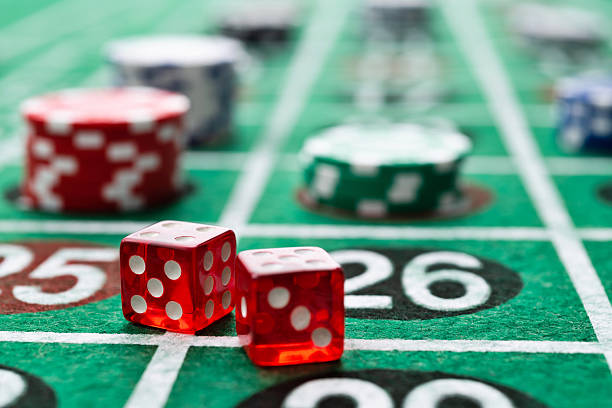
Finally, the gambler’s fallacy is another cognitive bias that can impact decision-making. Gamblers may believe that past outcomes influence future results, leading them to make misguided bets based on the assumption that a losing streak must be followed by a win. This fallacy can create a cycle of overconfidence and persistence in gambling, as individuals often chase their losses with the belief that a big win is imminent. Understanding these cognitive biases is essential for recognizing the underlying motivations and behaviors that drive gambling in casinos, helping individuals to make more informed choices and manage their gambling habits effectively.
The emotional rollercoaster of gambling
The emotional experience in casinos is complex and often tumultuous. Players frequently experience highs and lows that can significantly impact their overall psychological state. The excitement of winning can lead to euphoria and a sense of invincibility, whereas losses can evoke feelings of despair and frustration. This emotional rollercoaster can be addictive, as the highs may lead individuals to chase the exhilaration of a win, while the lows can push them to gamble more in a bid to recover losses. The emotional stakes of gambling can create a feedback loop where the desire for more intense experiences drives individuals back to the gaming floor.
Moreover, the role of adrenaline cannot be understated. The physiological response associated with risk-taking creates a rush that many find intoxicating. As players engage with games and place bets, their bodies produce stress hormones, contributing to heightened alertness and excitement. This adrenaline rush can lead to an almost euphoric state, making the experience of gambling feel immensely satisfying, regardless of the outcome. Consequently, many individuals return to casinos for this emotional thrill, often without considering the financial implications of their actions. The thrill of the game can overshadow rational thinking, leading to impulsive betting behavior.
The interplay between emotions and gambling behavior also speaks to the significance of social interactions within casinos. Engaging with other gamblers can amplify emotional responses, fostering a community of shared experiences. This social aspect can lead to a sense of belonging, where individuals feel connected through their common pursuit of excitement. However, it can also create pressure to continue gambling, particularly among friends or peers, which may lead to further financial repercussions and psychological strain. Social dynamics within the casino can exacerbate impulsive behavior, as the desire to fit in or impress others may drive individuals to gamble beyond their means.
Addiction and its consequences
Gambling addiction is a severe psychological condition that can have devastating effects on individuals and their families. The thrill of gambling can escalate from a casual pastime to a compulsive behavior, where the individual struggles to control their gambling impulses. Those suffering from gambling addiction often find themselves facing significant financial difficulties, strained relationships, and declining mental health, illustrating the far-reaching consequences of this disorder. The profound impact on personal and social life emphasizes the importance of understanding and addressing gambling addiction as a serious public health concern.
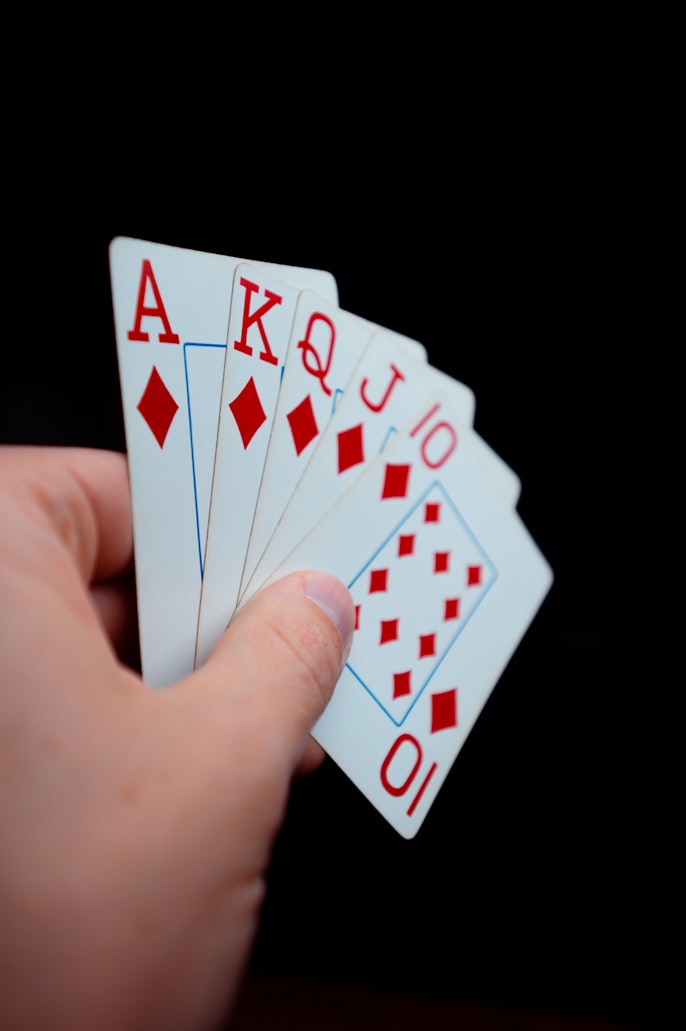
Understanding the signs of gambling addiction is crucial for early intervention. Many individuals may downplay their gambling habits, thinking they can manage their behavior. However, signs such as spending excessive time in casinos, neglecting responsibilities, or resorting to deceit to hide the extent of their gambling are red flags. Additionally, the emotional toll can lead to depression, anxiety, and an overwhelming sense of shame, perpetuating the cycle of addiction. Recognizing these signs in oneself or loved ones is the first step toward seeking help and making necessary lifestyle changes.
Addressing gambling addiction is essential for recovery. Various therapeutic approaches, including cognitive-behavioral therapy and support groups, offer pathways for individuals seeking to reclaim their lives. As awareness of gambling addiction grows, many organizations and casinos are implementing responsible gambling programs to provide resources and support for players. These initiatives aim to educate individuals about the risks of gambling and promote healthier gaming habits. Recognizing the seriousness of gambling addiction is a significant step toward fostering a healthier gambling environment and helping individuals in need, ultimately leading to better mental health outcomes and improved quality of life.
Understanding gaming behavior through research
A wealth of research has been dedicated to understanding the psychological dynamics of gambling behavior. Scholars have explored various aspects, including risk perception, decision-making processes, and emotional influences. This body of research highlights how psychological principles interact with gaming environments to shape individuals’ gambling choices. By examining these facets, researchers can better understand the factors contributing to moments of both success and failure in gambling. This research serves as a foundation for developing effective strategies to mitigate the adverse effects of gambling.
Studies have further illuminated the role of motivational factors in gambling. For instance, some individuals may gamble primarily for entertainment, while others may engage in it as a means of financial gain or social interaction. Understanding these differing motivations can help casinos tailor their marketing strategies and create environments that appeal to specific demographics. The nuanced motivations behind gambling choices illustrate the diversity of experiences within the casino environment and the complex relationships individuals establish with gambling. This understanding can also inform policies aimed at promoting responsible gambling.
Research also examines the potential for gambling to be used as a coping mechanism. For many, the casino serves as an escape from life’s challenges, providing a temporary respite from stress and anxiety. However, this coping strategy can lead to maladaptive behaviors, as individuals may increasingly rely on gambling for emotional relief. By exploring these psychological dimensions, researchers can contribute valuable insights into responsible gaming practices and the importance of addressing emotional well-being in gambling contexts. Such insights can be instrumental in developing interventions designed to promote healthier gambling behaviors and reduce the risk of addiction.
